

Warehouse Redesign vs Expansion Guide
Written by: Brad A. Published on: June 25th, 2026
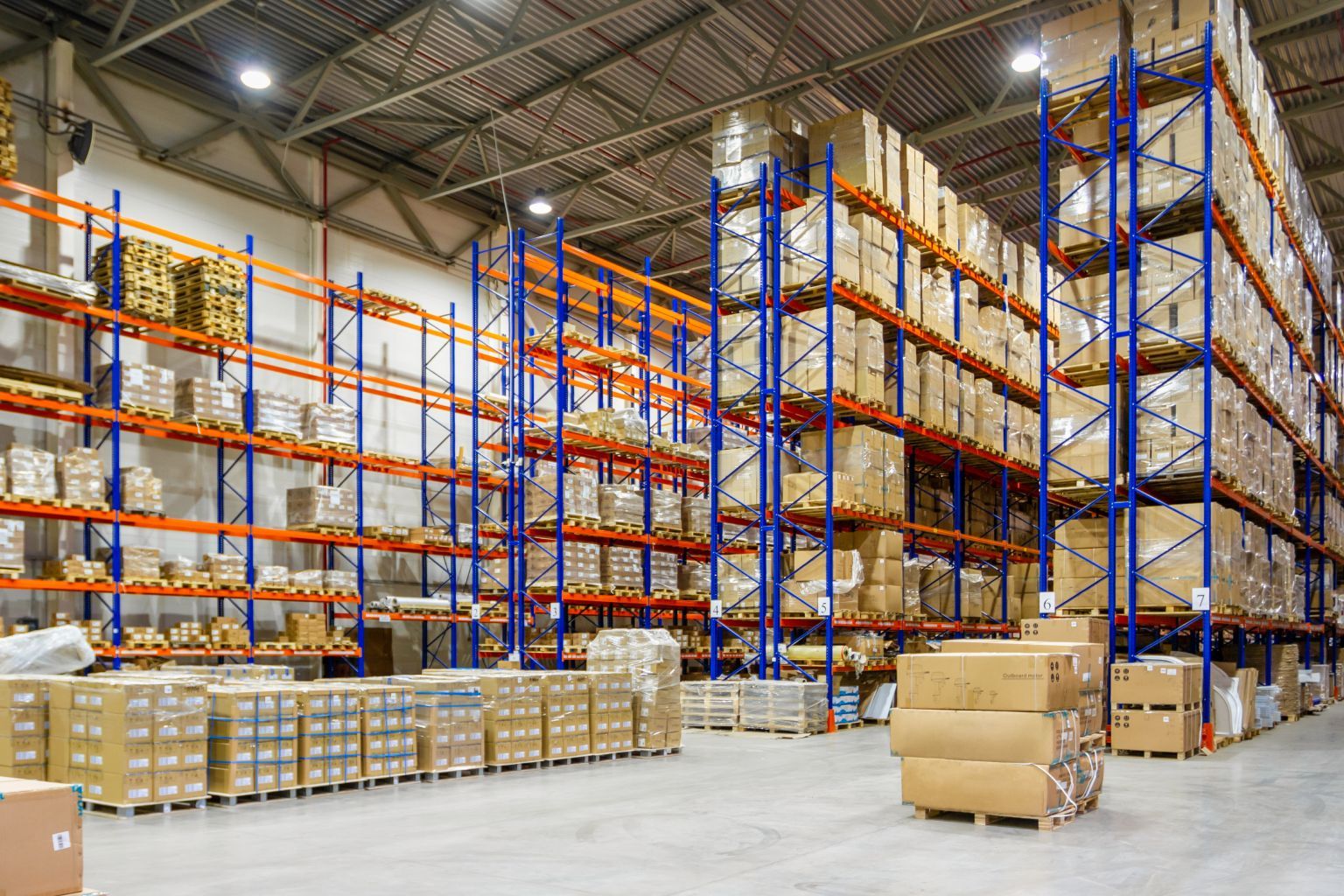
Warehouse optimization is often the first step before committing to a larger facility. Your team may need more capacity, faster movement, and fewer delays, but that does not always mean you need more square footage.
A redesign can often solve space and workflow issues at a lower cost than expansion. In other cases, your operation may have outgrown the building. The right decision depends on storage density, racking condition, labour flow, equipment access, and growth plans.
Understanding the Cost of Warehouse Optimization
The cost of warehouse optimization depends on the scale of change required. A basic layout update may involve aisle adjustments, racking changes, and improved pick paths. A larger project may include mezzanines, automated systems, or building modifications.
A proper warehouse space planning review should assess usable cube, not just floor area. Many facilities have enough space, but poor racking placement, low vertical use, or inefficient staging zones reduce capacity.
Initial Investment Comparison
A redesign usually costs less upfront than expansion. Racking redesign and repositioning may involve moving existing systems, changing beam levels, improving aisle widths, or creating better product zones.
Expansion typically requires a higher initial investment. You may need permits, lease changes, construction, added utilities, and downtime planning. The facility expansion timeline can also be longer, especially when structural work or municipal approvals are involved.
A redesign can often happen in phases, helping your team maintain operations while improvements are completed.
Long-Term Financial Impact
The lowest upfront cost is not always the best choice. A redesign that only solves today’s issue may create another capacity problem within a year.
Expansion may make sense if your sales volume, pallet count, or SKU range continues to grow. However, paying for more space before fixing layout problems can waste money.
The best approach is to compare cost per pallet position, labour savings, travel time reduction, and future growth needs. Warehouse consulting and design can help model these factors before you commit.
Key Benefits of Facility Reconfiguration
The benefits of facility reconfiguration are usually tied to better flow. A stronger layout helps your team receive, store, pick, stage, and ship with fewer bottlenecks.
Facility reconfiguration can also reduce damage, improve safety, and support better equipment movement in busy warehouses.
Improved Space Utilization
Many warehouses run out of usable space before they run out of actual space. Product may sit in the wrong zones, aisles may be poorly sized, or racking may not match pallet dimensions and inventory movement.
Storage capacity solutions can correct these issues. Options include higher racking, denser storage, better beam spacing, push-back systems, pallet flow, or mezzanine installation.
Using vertical space can delay or avoid expansion while freeing floor space for staging, packing, or equipment movement.
Enhanced Operational Efficiency
A redesign can shorten travel paths and reduce double handling. That means employees spend less time moving around and more time completing work.
Better layouts can also separate fast-moving products from slow-moving items. This improves order picking and reduces congestion.
For some facilities, automated racking installation can support faster pallet movement, more consistent storage, and better use of limited floor space when the operation’s volume, product type, and budget support it.
When to Consider Warehouse Layout Changes
Warehouse layout changes should be considered before signing a new lease or approving construction. Your current facility may still have useful capacity hidden in the layout.
A layout review can also show whether expansion is truly needed, giving you a stronger case for investment.
Signs Your Current Layout Is Inefficient
You may need layout changes if you see:
- Frequent aisle congestion
- Staging areas spilling into travel paths
- Products stored far from where they are used
- High forklift travel time
- Recurring product damage
- Slow order picking
- Empty vertical space above racking
- Seasonal inventory disruption
These signs do not always point to expansion. They often point to poor flow.
Evaluating Your Operational Needs
Start with your numbers. Review pallet counts, SKU growth, order volume, dock activity, equipment type, and peak-season demand.
Then look at facility constraints. Ceiling height, column spacing, sprinkler clearance, slab capacity, and loading areas all affect what you can change.
A consultant can turn these details into a layout plan that compares redesign, mezzanine use, automation, and expansion.
How Storage Capacity Solutions Impact Your Business
Storage capacity solutions affect more than space. They influence labour, safety, accuracy, and customer service.
The right system helps your team move product with fewer delays. The wrong system can make every task harder.
Maximizing Vertical Space
Vertical space is one of the most overlooked assets in a warehouse. Taller racking, mezzanines, and better pallet slotting can increase storage without expanding the building footprint.
Before adding height, check fire code, sprinkler coverage, lift equipment reach, and load limits. These details matter for safety and compliance.
Technology Integration Options
For warehouses with high pallet volume, limited floor space, or repeat storage patterns, Convex’s Automated Racking Installation service can be a practical storage capacity solution. Automated racking can help increase density without changing buildings.
This approach works best when storage rules are clear, including consistent pallet sizes, defined product zones, and predictable movement patterns. Convex Services can assess whether automated racking is the right fit or whether racking redesign should come first.
Automated racking is not a simple bolt-on upgrade. It requires planning, installation expertise, safety review, and coordination with your current layout. Convex helps confirm whether automation can improve storage capacity, reduce handling time, and fit your building conditions.
If your warehouse is tight, slow, or difficult to manage, start with a practical assessment. Convex Services can help with warehouse consulting and design, racking redesign and repositioning, automated racking installation, and
mezzanine installation. Request a free estimate to find out whether warehouse optimization or expansion is the better move for your facility.
Share this article
Follow convex services
Contact CONVEX SERVICES
Convex Services Inc.
2020 Trans Canada #107
Dorval, Quebec, H9P 2N4
(438) 834-8733