

Pallet Racking Inspection: What Quebec Managers Must Know
Written by: Brad A. Published on: August 11, 2026
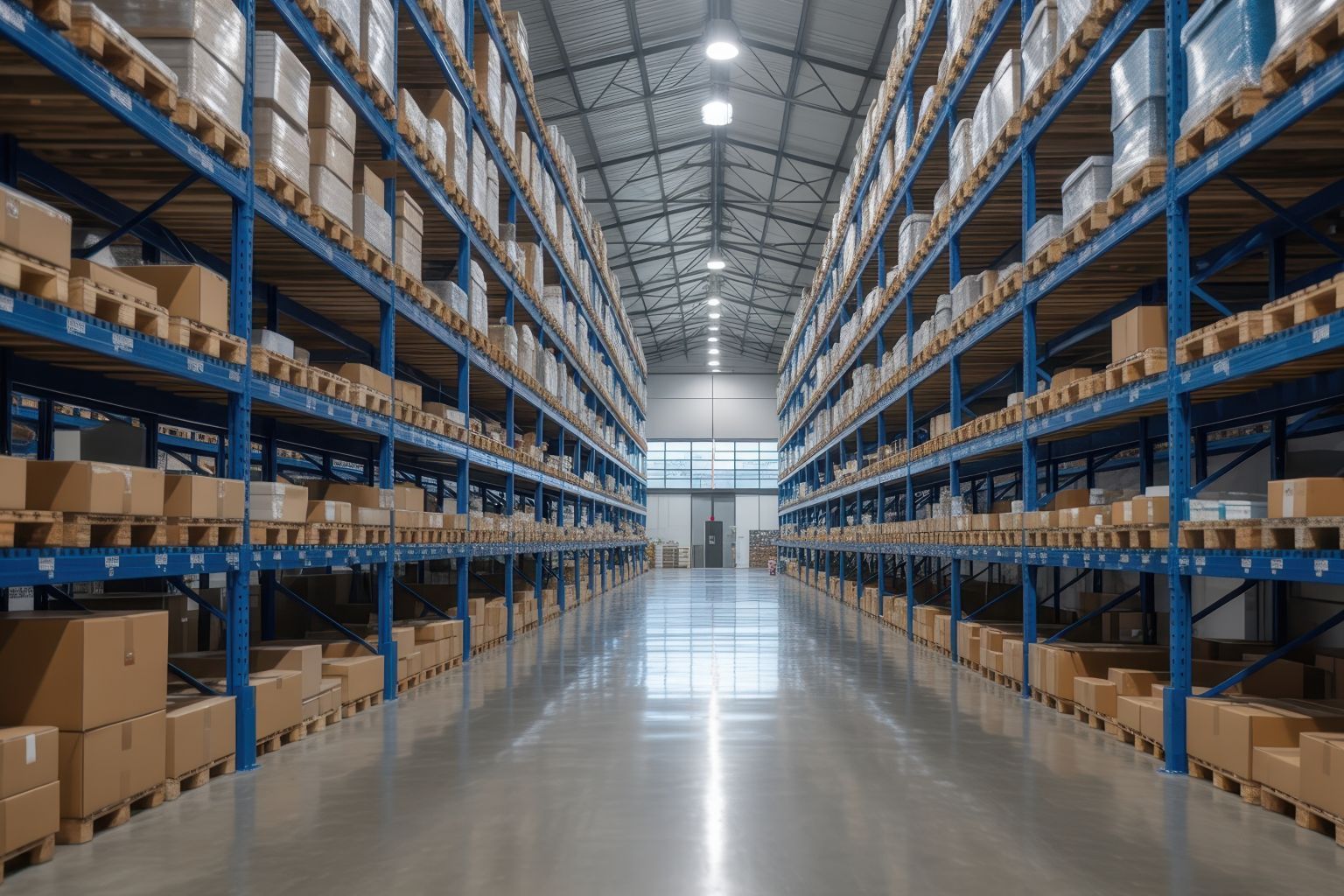
Pallet racking inspections help identify damage before it threatens the safety of your workers, inventory, or operations. In a busy Quebec warehouse, repeated forklift impacts, heavy loads, and system changes can weaken racking structures over time.
In Quebec, employers must identify, correct, and control workplace risks. A rigorous, planned inspection process helps you fulfill this obligation. It also gives managers clear records when repairs, system changes, or professional advice are needed.
Why Regular Pallet Racking Inspections Matter
Racking damage is not always obvious from the warehouse floor. A small impact can compromise an upright, loosen an anchor, or affect how a beam connects to the frame.
A warehouse racking inspection looks at the full system, including its condition, configuration, loading, and use. It should form part of your facility’s wider risk control process.
Reducing Safety Risks in Busy Warehouse Environments
Forklifts operate close to racking systems, often while carrying loads that limit visibility. Impacts may happen during picking, replenishment, or turning in narrow aisles.
Any contact with pallet racks should be reported by your team, even when the damage appears minor. The affected area may need to be isolated until a qualified person completes a racking damage assessment.
A pallet rack safety inspection can also identify problems that develop gradually. These may include corrosion, loose connections, damaged anchors, missing safety locks, or frames that no longer stand vertically.
Supporting CNESST-Aligned Safety Practices and CSA A344:24 Guidance
The practices presented in CNESST documentation on pallet racks include routine inspections carried out by properly trained personnel, as well as specialized inspections. The frequency of routine inspections may be adjusted based on the intensity of warehouse activities and the condition of the system.
The CSA A344:24 pallet rack standard provides guidance covering, among other things, the use, inspection, and maintenance of steel storage racks. It is the current edition of the Canadian user guide, published in 2024 by CSA Group. It supports good pallet-rack management practices, but does not replace an employer's legal obligations or, where necessary, an assessment by a qualified professional.
At Convex Services, we can help you address pallet rack compliance issues through our engineering and compliance services. Request a free estimate when your inspection program, records, or the condition of your system require expert review.
What Professional Rack Inspectors Look For
A professional inspection examines more than visible dents. The inspector reviews how damage, loading, and configuration affect the system as a whole.
Common Signs of Rack Damage and Wear
Our inspectors commonly review uprights, braces, beams, anchors, baseplates, connectors, and protective components. They also look for signs of corrosion, tilted structures, cracked welds, missing fasteners, and repeated forklift contact.
A rack inspection checklist can help your trained staff record visible concerns between professional inspections. It should not be used to approve repairs or confirm load capacity.
To support an accurate assessment of your system, keep impact reports, repair records, system drawings, and previous inspection findings readily available. Missing records can make it harder to confirm whether a rack remains in its approved configuration.
When Damaged Components May Require Repair or Replacement
Bent or damaged components need professional assessment. Their condition, location, and role in the system all affect the required response.
Do not straighten, weld, replace, or move structural components without an approved plan. CNESST guidance notes that serious repairs and structural changes should be carried out by a competent company that understands the guidelines and regulations. Load capacities may also need verification by an engineer.
How Professionals Verify Rack Safety and Load Capacity
Visual assessment is just one component of a proper professional rack inspection. Inspectors also compare the installed system with available drawings, load information, and manufacturer requirements.
Reviewing Load Ratings and System Configuration
Rack capacity depends on the full configuration. Beam elevations, bay width, frame height, anchoring, and component types all matter.
Moving beams or adding storage levels can change the structural integrity. Professional consultation and design are needed before modifications are made to a rack structure.
Identifying Unsafe Loading or Distribution Issues
Our inspectors review load plaques, pallet placement, load weights, and distribution across each bay. They may also identify damaged pallets, unstable goods, or loads that exceed the listed capacity.
A system can be structurally sound and still be used incorrectly. Inspection findings should therefore address both the racking and the way your team uses and loads it.
When to Call a Certified Racking Professional
Call a qualified racking professional when damage may affect structural performance or when your team cannot confirm the system’s configuration and capacity. Specifically, professional assessment is particularly important after a serious impact, visible deformation, repeated damage, or an unapproved system change. It is also highly recommended when opening a new facility, buying used racking, or planning a new pallet racking installation.
A racking inspection you can rely on should produce clear findings and practical next steps. In some cases, high-risk areas may need immediate isolation until repairs are reviewed and completed. To support your compliance efforts, inspection records should clearly document what was reviewed, the specific damage found, and the corrective work that followed.
A professional inspection of your pallet racks allows you to assess the actual condition of your system, document any issues found, and plan the necessary corrective actions. If the inspection reveals damage, configuration issues, or compliance concerns, Convex’s engineering and compliance team can assist with the assessment, repair, redesign, or installation of your racking system. Request a
free estimate to discuss your needs with our team.
Share this article
Follow convex services
Contact CONVEX SERVICES
Convex Services Inc.
2020 Trans Canada #107
Dorval, Quebec, H9P 2N4
(438) 834-8733