


Moving Warehouse Racking: Dismantling and Relocation Guide
Written by: Brad A. Published on: May 12, 2026
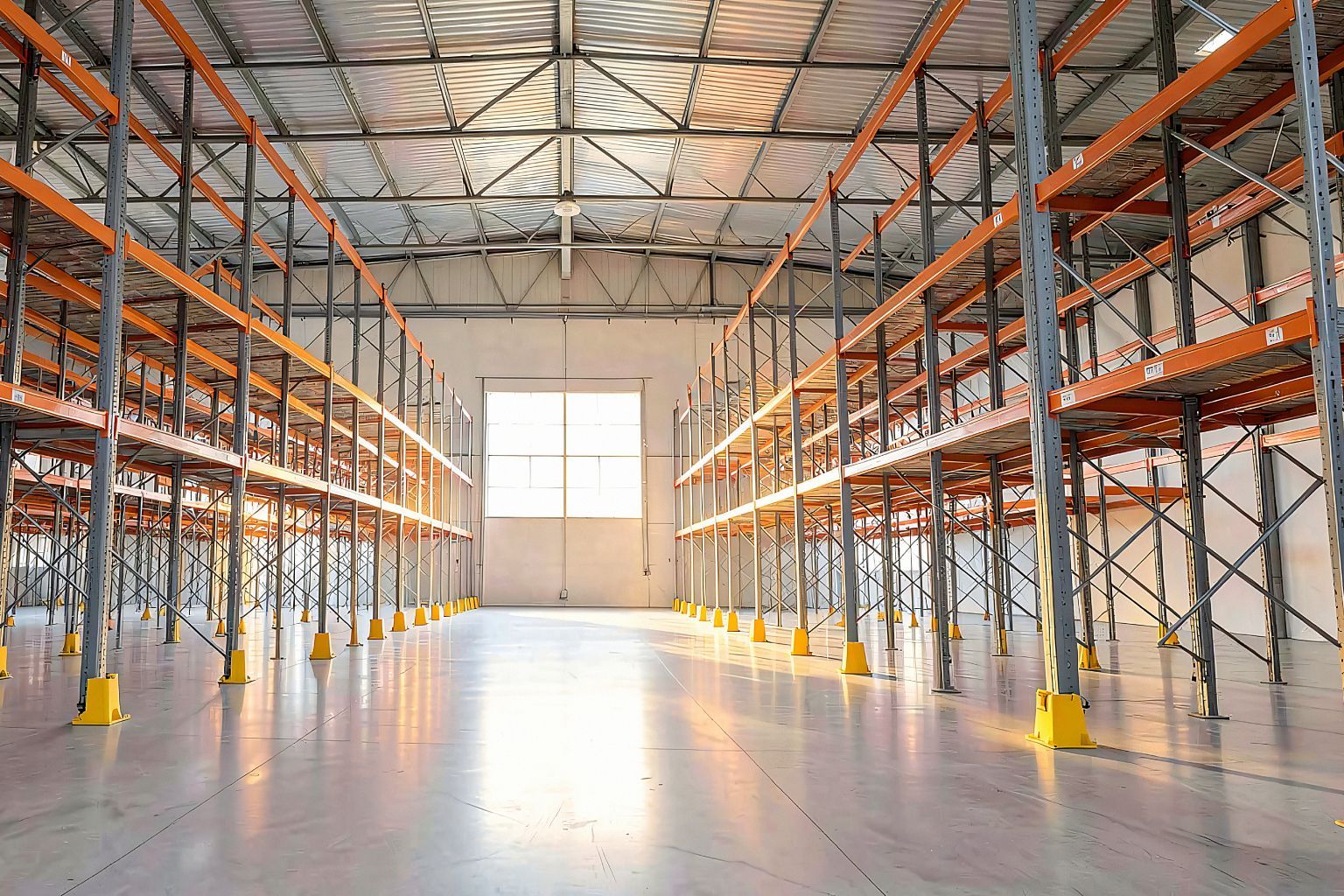
Moving warehouse racking sounds simple until the first bay section comes down. Then the real work starts.
You need to protect workers, avoid damaged components, keep parts organized, and confirm the system can be safely reinstalled. For Québec warehouses, that means planning around CNESST workplace safety requirements and Canadian racking standards.
This guide explains how professional crews, such as those at Convex Services, handle racking dismantling, pallet racking relocation, and preparation for reinstallation.
Why Moving Warehouse Racking Requires Careful Planning
Racking is a load-bearing storage system. It should not be treated like ordinary shelving.
Before any pallet rack removal begins, the team needs to understand the following:
- Rack type and dimensions
- Beam levels and load requirements
- Floor anchors and slab condition
- Lift equipment access
- Product movement during the work
- Destination layout for the relocated system
Good planning reduces downtime. It also helps prevent missing parts, damaged uprights, unsafe reassembly, and delays during Pallet Racking Installation.
In Québec, employers must also manage workplace risks and provide required protective equipment. CNESST guidance should be followed for worker safety, while CSA A344 supports safe use, inspection, and installation practices for steel storage racks in Canadian facilities.
What Happens During Professional Racking Dismantling
Professional racking installation services follow a controlled process. The goal is not only to take down the rack. The goal is to protect the system so it can be moved, inspected, and reinstalled safely.
This matters when you are moving pallet racking to another aisle, another building, or a new warehouse.
Site Assessment and Work Area Preparation
The crew starts with a site review. They confirm the racking layout, access points, equipment needs, work zones, and safety risks.
This step may include:
- Reviewing rack drawings if available
- Checking visible damage on uprights, beams, braces, and anchors
- Confirming sprinkler clearance and building constraints
- Planning forklift or lift access
- Marking exclusion zones around the work area
- Reviewing safety protocols for dismantling with the team
The work area should be cleared before dismantling starts. Products, pallets, debris, and mobile equipment should be removed from the immediate zone.
Safety Equipment and Personal Protective Gear
For Québec facilities, safety planning must reflect CNESST expectations for risk control and personal protective equipment. Employers are responsible for providing appropriate PPE, and workers must use and maintain the equipment properly.
Depending on the site, PPE may include hard hats, safety footwear, gloves, eye protection, high-visibility clothing, and fall protection where required.
For racking work, CSA A344 should also be considered when assessing steel storage rack installation, use, inspection, and workplace safety conditions. This helps ensure the dismantling and reinstallation process supports compliance, not just convenience.
Pallet Racking Dismantling, Sorting, and Staging
Once the area is ready, the crew can disassemble industrial shelving and pallet racking in a planned order.
A common process includes:
- Removing accessories, guards, decking, and safety bars
- Lowering beams in sequence
- Removing anchors without damaging baseplates
- Taking down uprights safely
- Sorting beams, frames, braces, and hardware
- Separating damaged parts from reusable parts
Rack component labelling is critical. Each frame, beam, connector, and accessory should be labelled by bay, row, level, or destination zone.
Without clear labels, reinstallation becomes slower and riskier. Crews may waste time matching parts or correcting placement issues that could have been avoided.
How Warehouse Managers Should Prepare for Racking Removal
Warehouse managers can make racking relocation smoother before the crew arrives.
The best preparation starts with inventory movement, access planning, and a clear destination plan.
Clear Inventory and Access Areas
Start by removing product from the racking scheduled for dismantling. Do not leave pallets, loose cartons, or partial inventory in the work zone.
You should also clear:
- Travel aisles
- Dock access areas
- Staging zones
- Emergency exits
- Electrical panels and fire safety equipment
- Floor areas around uprights and anchors
If operations must continue during the project, schedule work by zone. This helps reduce disruption and keeps staff away from active dismantling areas.
Confirm the Destination for Removed Racking
Before moving racking systems, confirm where each component will go.
That may include another area in the same warehouse, a temporary staging area, a new facility, storage for future use, or disposal if components are damaged or obsolete.
If the system will be reused, the destination layout should be reviewed before dismantling. This is where redesign & repositioning can help. A professional review can confirm aisle widths, beam levels, storage density, equipment access, and compliance considerations before parts are moved.
This prevents a common problem: the rack is taken down and moved, and then the team discovers the new layout does not meet requirements, or fit the building, equipment, or product mix.
Organizing Racking for Relocation and Reinstallation
The final stage is organization. This is where many projects either stay on schedule or fall apart.
For warehouse racking relocation, each component should be grouped, labelled, and protected for transport. Beams should be stacked by size and type. Uprights should be handled carefully to avoid bending, twisting, or baseplate damage. Hardware should be bagged and marked by section.
A clear inventory list helps the installation crew confirm what arrived, what is missing, and what needs replacement before reinstallation starts.
If the racking will be installed in a new layout, the team should confirm measurements before the first bay goes up. That includes column spacing, slab condition, clear height, dock flow, equipment turning space, and storage needs.
Moving warehouse racking is not just a labour task. It is a safety, planning, and storage project. Convex Services can support racking dismantling, redesign & repositioning,
pallet racking installation, and
compliance planning for Québec warehouses. Request a free estimate before work begins to make sure your warehouse racking move goes smoothly.
Share this article
Follow convex services
Contact CONVEX SERVICES
Convex Services Inc.
2020 Trans Canada #107
Dorval, Quebec, H9P 2N4
(438) 834-8733