


How to Install Pallet Racking Systems Safely: Why Professional Installation Matters
Written by: Brad A. Published on: June 30, 2026
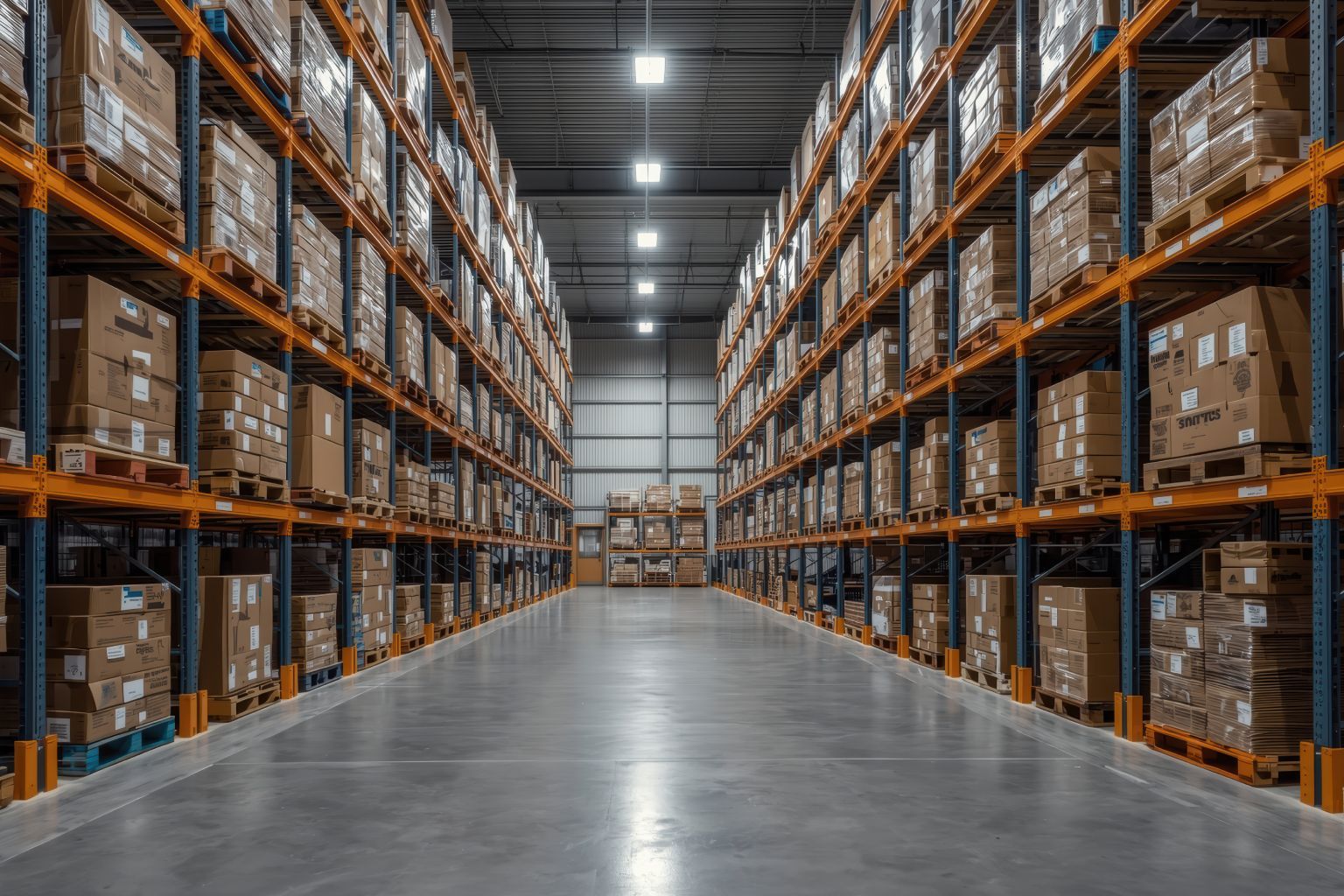
If you are searching for information on how to install pallet racking, you are likely trying to understand the scope before hiring a trained crew. That is the right approach as pallet racking installation is not a DIY warehouse task. It involves load-bearing structures, specific hardware, anchor bolt installation, frame alignment, certification, beam connection points, and compliance checks.
In Quebec, workplace safety planning should reflect CNESST requirements. Steel storage rack use and installation should also follow CSA A344, the Canadian standard relevant to pallet racking systems in Quebec facilities.
Why Pallet Racking Installation Requires Professionals
Pallet racking holds heavy inventory above workers, forklifts, and active travel paths. A small installation error can create a serious safety issue.
Professional racking installers understand how the rack system, slab, anchors, lift equipment, and product loads work together. They also know how to follow manufacturer instructions, engineered drawings, and the planned warehouse layout design.
Load-Bearing Risks and Safety Implications
Racking systems depend on proper load distribution guidelines. Uprights, beams, braces, anchors, and baseplates all play a role in system performance.
If frames are not level, beams are not seated correctly, or load limits are misunderstood, the system may not perform as intended. That risk increases when warehouses change pallet sizes, add heavier inventory, or adjust beam levels without professional review.
For Quebec facilities, safety planning must also include worker protection. CNESST requires employers to control workplace risks, provide appropriate protective equipment, and ensure workers use it properly.
Compliance, Anchoring, and Manufacturer Requirements
Compliance goes beyond paperwork. It affects how the racking is installed, inspected, labelled, and used.
CSA A344 supports safe steel storage rack installation and use in Canadian workplaces. It applies to several pallet racking types commonly used in Quebec warehouses, including selective, push-back, drive-in, drive-through, cantilever, and automated storage systems.
Professional installers follow manufacturer requirements for component use, beam placement, anchoring, and load capacity signage. They also confirm that the installed system matches the approved layout and intended storage use.
What the Professional Installation Process Includes
Professional pallet racking installation follows a controlled process. The goal is to build a safe, usable storage system that supports daily operations.
This process is not a step-by-step guide for warehouse teams. It is a framework to help owners and managers understand what trained installers should handle.
Site Assessment and Layout Review
The process starts with a site assessment. The installer reviews floor conditions, ceiling height, column spacing, sprinkler clearance, dock flow, aisle widths, and equipment access.
This is where consulting & design matters. A good layout should support both storage needs and daily movement.
The team also reviews drawings, rack specifications, and any building constraints that could affect installation.
Frame, Beam, and Anchor Installation
Installers position frames, connect beams, and secure the system using approved anchors. This requires the correct tools for rack assembly, including lifting equipment, levels, torque tools, and anchors suited to the system design.
Beam connection points must be fully seated and secured with hardware. Anchors must match slab conditions, manufacturer instructions, and project requirements.
This is not the stage for guesswork or informal repairs.
Leveling, Alignment, and Final Inspection
Once the main structure is installed, the crew checks frame alignment, beam levels, plumbness, and anchor placement.
A safety inspection checklist should include visible damage, missing safety clips, loose anchors, incorrect beam placement, and clear load capacity signs.
Final inspection helps confirm the system is ready before inventory is placed on the racks.
Common Pallet Racking Installation Mistakes
Most racking problems start with small decisions that seem harmless.
Anchoring, Alignment, and Component Errors
Common errors include poor anchor bolt installation, mixed components from different systems, missing locking devices, and uneven frame alignment.
Used racking can add risk if parts are bent, rusted, mismatched, or missing manufacturer markings.
A trained installer can identify which components are safe to reuse and which should be replaced.
Clearance and Load Capacity Oversights
Clearance issues can affect sprinklers, forklifts, building columns, lighting, doors, and emergency access.
Load capacity errors are just as serious. If the rack is installed without clear ratings, your team may overload beams or store pallets in the wrong positions.
That can create damage, downtime, and safety concerns.
When to Hire a Pallet Racking Installation Company
You should hire a pallet racking installation company when the project affects storage capacity, worker safety, traffic flow, or compliance.
That includes most commercial warehouse racking projects.
New Setups, Expansions, and Reconfigurations
Hire professionals when setting up a new warehouse, adding more racks, changing beam levels, or redesigning aisles.
These projects need proper layout planning, installation sequencing, equipment coordination, and compliance review.
Convex Services can support pallet racking installation, consulting & design, compliance, and project planning based on your site conditions.
Relocation, Replacement, and Damaged Racking
You should also hire professionals when moving, replacing, or repairing racking.
Damaged uprights, loose anchors, bent beams, and missing clips should not be ignored. A professional review can confirm whether repair, replacement, or redesign is safer.
If you are asking how to install pallet racking, the better question is, "Who should install it?" For Quebec warehouses, trained professionals help protect workers, inventory, and operations. Convex Services provides racking installation services backed by relevant
certifications & capabilities, planning support, and compliance awareness. Request a
free estimate before your next racking project.
Share this article
Follow convex services
Contact CONVEX SERVICES
Convex Services Inc.
2020 Trans Canada #107
Dorval, Quebec, H9P 2N4
(438) 834-8733